


Maintaining Electrical Outlets Keeps Employees and Work Environments Safe
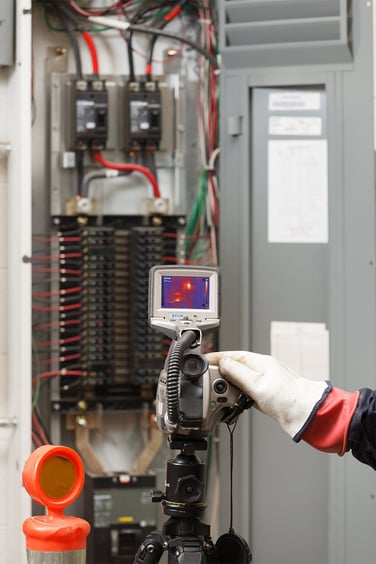
Damaged or worn electrical outlets can cause injuries, like electrocution, and fires in
commercial or industrial settings. Below are some signs that your outlets may be damaged, and their avoidable causes.
Loose Plugs:
When inserting a plug, it should feel snug -- not tight or overly loose. This could be a sign of outlet wear, or misuse when unplugging devices (always unplug from the grip, don’t pull on the cord).
Cracked or Warm Outlets:
If an outlet is cracked, or if it feels warm to the touch, it should be inspected by an electrical expert . This is often an indicator that it was improperly wired, or that the wiring may have been damaged -- a common cause of electrical fires. It can also mean the spring tension inside the receptacle has worn down and is in need of replacement.
Testing Ground Fault Circuit Interrupters:
Ground Fault Circuit Interrupters (GFCI) outlets are required by electrical code in areas where water may come into contact with the outlet. If water comes into contact with the outlet, the GFCI will trip, cutting the electrical connection and avoiding electrocution. You can test the GFCI by pushing the button -- anything plugged in should turn off immediately. If it doesn’t, call a qualified technision.
Using Surge Protectors:
Most offices and other commercial facilities use surge protector power strips for their computers, to connect and protect a number of extra devices such as printers, phones, etc. from sudden surges of electricity, which can destroy expensive and critical electronic equipment. Surge protector outlets are now available to install directly into a wall.
There are three levels of surge protection normally used. Service, panel and load (outlets and power strips). The best course of action is to apply all three levels, but for starters, the service is the best place to help keep the surge from entering a building.
Electrical Equipment Inspections Keep You Up to Code
During your annual maintenance checkups, remember to check equipment including:
- Local disconnects for machines and equipment.
- Electrical panels.
- Batteries on battery-powered equipment.
- Wiring terminations in equipment subject to vibration.
- Cord and plug connected equipment.
- Other miscellaneous compromised electrical components such as broken or disconnected conduits, and flexible connections.
Check each of these items for cracks, deterioration, or corrosion. Clear the areas near them of dust and other debris that could cause potential equipment failure or hinder access for your electrical maintenance technician. Remember to turn off power to the machines, wiring, or other equipment before cleaning or performing any type of maintenance.
It’s important to pay attention to performance issues like flickering lights, spontaneously low power, or odd equipment resets. Employee feedback and notes about equipment performance should be considered in any equipment testing and inspection since they’re the people most likely to notice the small electrical hiccups that could be a sign of a failing part or a malfunctioning connection.
During your EPM work, it is a good time to check if your existing installations are up to code. Making these repairs before they become a problem will be another way to keep from unnecessary down-time or failed inspections.
Lighting Inspections Improve Productivity
 Even the most expensive lighting fixtures and lamps will require maintenance and eventually dim, then burn out. This can be problematic, as studies show that better lighting leads to more productivity in the workplace -- meanwhile, poor lighting makes it harder for employees to focus on the objects in front of them, or distinguishing objects from the background.
Be sure to check your exit and emergency lights. Fire and Building inspectors look for these issues during routine inspections. Keeping on top of their functionality will keep you out of their spotlight. These lights are part of your emergency egress system and are critical to guide people out of the building in the event of an emergency.
Lighting is responsible for most of the single-user electrical energy use in commercial and industrial buildings. Well maintained lighting is important for several reasons:
- Clearer visibility means better safety.
- Strong lighting improves productivity.
- Maintained lighting fixtures are more energy efficient.
Another important consideration is lamp lumen depreciation (LLD) —- this is when your lighting fixture loses power and dims over time. Check lighting strength and replace dimmed lights during your regularly scheduled maintenance.
Additionally, your checklist should take luminaire dirt depreciation (LDD) into account. Some lamps and fixtures are more vulnerable to dirt and dust buildup, which causes the light fixture to emit less light. Lighting fixtures should be cleaned regularly as well.
As you inspect your lighting, be aware of areas where LED replacement lighting could create a safer, healthier or more productive workspace. Your electrician can help identify areas for improvement. LED lighting will also save energy and energy costs.


